





























































































































































































Exploring the Role of Altcoins in Sustainable Energy Solutions
The rise of cryptocurrency has brought with it a myriad of opportunities and challenges, particularly in the realm of energy consumption and sustainability. While Bitcoin often dominates the conversation, altcoins—cryptocurrencies other than Bitcoin—are carving out a niche for themselves in the world of sustainable energy solutions. This blog post aims to explore the promising role that altcoins can play in promoting and facilitating sustainable energy practices across the globe.
The Energy Conundrum of Cryptocurrencies
The environmental impact of cryptocurrencies, particularly Bitcoin, has been a topic of significant debate. The energy-intensive process of mining, which involves solving complex mathematical problems to validate transactions, has been criticized for its high carbon footprint. However, this narrative doesn’t encapsulate the entire cryptocurrency landscape. Many altcoins are actively seeking to address these concerns by adopting more energy-efficient algorithms and blockchain technologies.
For instance, some altcoins utilize proof-of-stake (PoS) instead of the traditional proof-of-work (PoW) model. PoS reduces the computational power required for mining, thereby lowering energy consumption. Altcoins like Ethereum have made significant strides by transitioning towards PoS, setting an example for sustainable practices within the crypto sphere.
Altcoins Leading the Charge in Renewable Energy Initiatives
Numerous altcoins are taking a proactive stance in integrating renewable energy solutions into their operations. By leveraging blockchain technology, these altcoins are facilitating the creation of decentralized energy grids and peer-to-peer energy trading platforms. Such initiatives not only promote the use of renewable energy sources but also empower individuals and communities to participate in the energy market.
Take Power Ledger, a blockchain-based platform that enables consumers and businesses to sell their surplus solar energy. This altcoin provides a transparent and efficient system for energy trading, ultimately reducing reliance on fossil fuels and promoting the adoption of clean energy.
Enhancing Energy Efficiency with Blockchain Technology
Altcoins are also playing a pivotal role in enhancing energy efficiency through blockchain technology. By creating immutable and transparent records of energy consumption, blockchain can optimize energy distribution and reduce waste. This is particularly beneficial for large-scale industrial operations where energy efficiency can result in significant cost savings and reduced environmental impact.
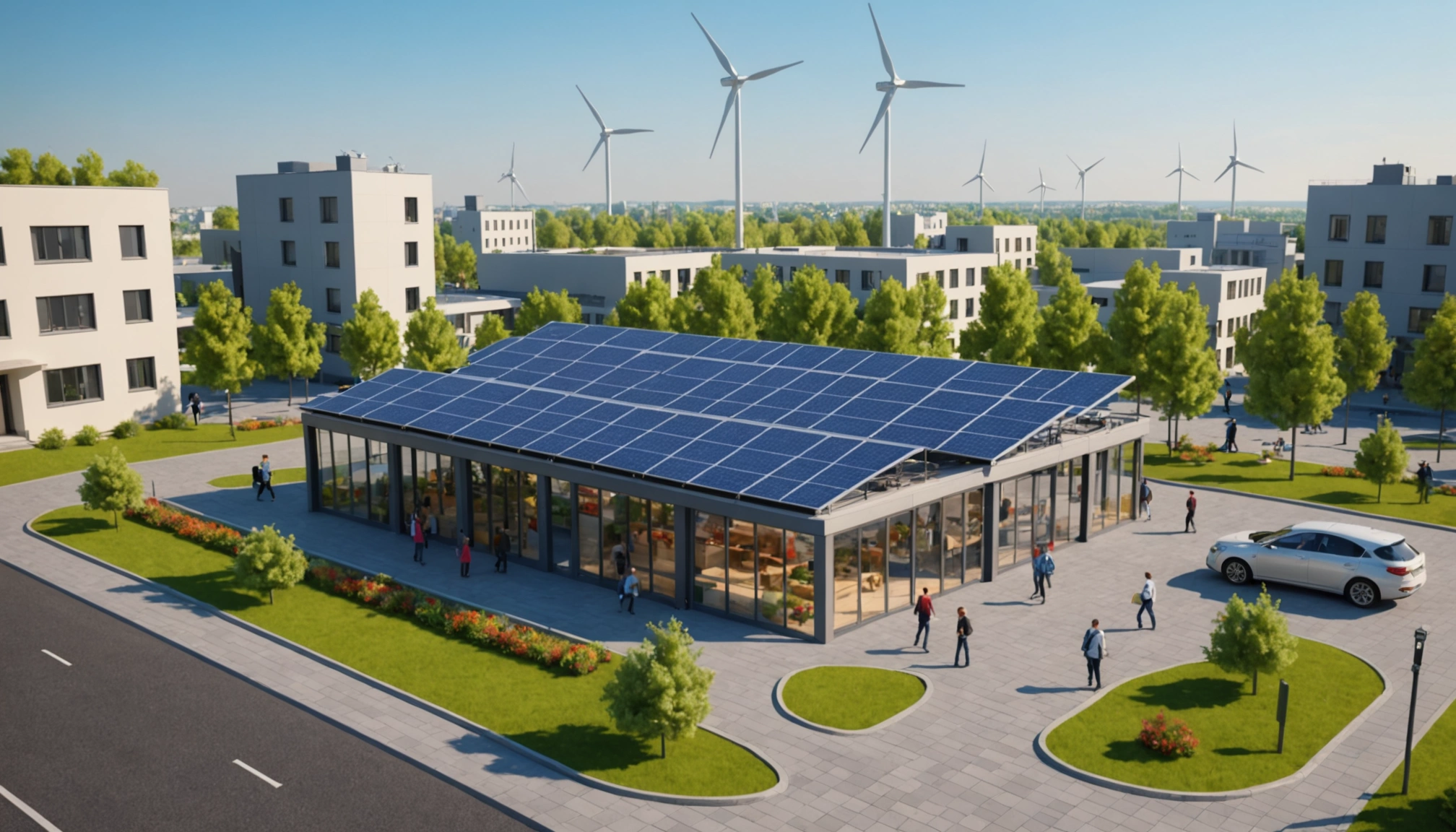
Moreover, the integration of smart contracts—self-executing contracts with the terms of the agreement directly written into code—allows for automated energy management systems. These systems can dynamically adjust energy usage based on real-time data, further contributing to sustainability goals. Altcoins like IOTA are pioneering in this field by facilitating machine-to-machine communication and transactions without human intervention.
The Socio-Economic Impact of Altcoins on Energy Solutions
Beyond the environmental benefits, altcoins are also contributing to socio-economic advancements in the energy sector. By democratizing access to energy markets, altcoins are enabling underserved communities to participate in and benefit from sustainable energy initiatives. This has the potential to drive economic development and reduce energy poverty in regions that have traditionally been marginalized.
For example, projects like Sun Exchange enable individuals to invest in solar projects across Africa. Investors purchase solar cells, which are then leased to businesses and organizations, providing them with affordable access to clean energy. This model not only promotes renewable energy adoption but also generates economic opportunities for both investors and energy consumers.
Challenges and Considerations
While the potential of altcoins in sustainable energy solutions is vast, there are several challenges that must be addressed to fully realize this potential. Regulatory hurdles, technological limitations, and market volatility are just a few of the obstacles that altcoins face in scaling their impact on the energy sector.

Regulatory frameworks governing cryptocurrency and energy markets are often fragmented and inconsistent, creating uncertainty for projects looking to expand globally. Furthermore, technological advancements are needed to ensure the scalability and security of blockchain-based energy solutions. Finally, the inherent volatility of cryptocurrencies can pose risks to investors and participants in energy initiatives.
The Future of Altcoins in Sustainable Energy
Despite these challenges, the future of altcoins in sustainable energy solutions looks promising. As blockchain technology continues to evolve, altcoins are likely to play an increasingly significant role in driving innovation and sustainability in the energy sector. Collaborative efforts between governments, businesses, and communities will be crucial in overcoming the challenges and maximizing the potential benefits of altcoins.
Moreover, as awareness of environmental issues grows, consumer demand for sustainable products and services is likely to increase. This shift in consumer behavior will further incentivize the development and adoption of altcoins and blockchain technologies that promote sustainable energy practices.
Takeaways
In conclusion, altcoins are emerging as powerful tools in the quest for sustainable energy solutions. By addressing the energy inefficiencies of traditional cryptocurrencies and integrating renewable energy initiatives, altcoins are paving the way for a more sustainable and equitable energy future. As we continue to explore the intersection of blockchain technology and energy, altcoins will undoubtedly play a crucial role in shaping a more sustainable world.

While challenges remain, the potential for altcoins to revolutionize the energy sector is immense. By fostering innovation, promoting renewable energy, and enhancing energy efficiency, altcoins have the capacity to drive significant environmental and socio-economic benefits. As we look to the future, embracing the opportunities presented by altcoins and blockchain technology will be essential in achieving our global sustainability goals.
As we delve deeper into the potential of altcoins in sustainable energy, it is essential to highlight some of the innovative projects and use cases that are driving this transformation. These projects exemplify how altcoins are not just theoretical solutions but practical tools making a tangible impact on energy sustainability.
Case Studies: Altcoins in Action
One notable example is the Energy Web Chain, which focuses on accelerating the energy transition by providing an open-source blockchain platform tailored for the energy sector. By utilizing decentralized applications, the Energy Web Chain facilitates the integration of renewable energy sources into existing grids, enhancing grid resilience and efficiency. This is particularly beneficial for managing distributed energy resources such as solar panels and wind turbines.
Another compelling case is the use of altcoins in carbon credit trading. By tokenizing carbon credits, altcoins can enhance the transparency and traceability of carbon trading markets. This not only helps in ensuring compliance with environmental regulations but also encourages more organizations to participate in carbon offset programs. Projects like Toucan Protocol are leveraging blockchain to bring integrity and liquidity to carbon markets, providing a seamless way to manage carbon credits.
Altcoins and Decentralized Energy Markets
The concept of decentralized energy markets is gaining traction, and altcoins are at the forefront of this development. By enabling peer-to-peer energy trading, altcoins are democratizing access to energy resources and allowing consumers to become producers, or “prosumers.” This shift is crucial for fostering a more resilient and sustainable energy ecosystem.

Platforms such as LO3 Energy use blockchain to facilitate local energy markets where households with renewable energy installations can trade excess energy with their neighbors. This not only optimizes energy distribution but also reduces transmission losses and dependency on centralized energy providers. Such decentralized models are particularly advantageous in areas with unreliable energy infrastructure, offering a sustainable alternative to traditional energy systems.
Harnessing the Potential of Smart Grids
Smart grids represent the future of energy distribution, providing real-time monitoring and control of energy flows across the network. Altcoins are instrumental in advancing smart grid technology by enabling secure and efficient data exchange. Through the use of blockchain, smart grids can integrate a diverse range of energy sources and optimize energy consumption patterns.
The transparent and tamper-proof nature of blockchain ensures that all transactions within a smart grid are securely recorded, enhancing trust among stakeholders. This is crucial for fostering collaboration between energy producers, distributors, and consumers. Additionally, smart contracts can automate processes such as energy billing and demand response, further streamlining smart grid operations.
Investment Opportunities and Risks
With the growing intersection of altcoins and sustainable energy, there are numerous investment opportunities emerging in this space. Altcoins that focus on sustainability are attracting interest from environmentally-conscious investors who recognize the potential for both financial returns and positive environmental impact. However, investing in altcoins is not without risks.

The volatility of the cryptocurrency market can pose challenges for investors, as altcoin values can fluctuate significantly. Additionally, the regulatory environment for cryptocurrencies and energy markets is continually evolving, adding an element of uncertainty. Investors must conduct thorough due diligence and stay informed about regulatory changes to navigate these risks effectively.
Regulatory and Policy Considerations
For altcoins to realize their full potential in sustainable energy solutions, supportive regulatory frameworks are essential. Governments and regulatory bodies must work collaboratively with industry stakeholders to create policies that encourage innovation while ensuring consumer protection and market stability.
Policies that incentivize the adoption of renewable energy and the development of decentralized energy systems can significantly boost the role of altcoins in sustainability efforts. Furthermore, clear guidelines on the use of blockchain in energy markets will enhance trust and facilitate broader adoption of these technologies.
The Path Forward
Looking ahead, the integration of altcoins and blockchain technology into the energy sector is poised to drive transformative change. Continued innovation and collaboration among industry players, governments, and communities will be instrumental in overcoming existing challenges and unlocking new opportunities.
As more projects demonstrate the viability and benefits of using altcoins for sustainable energy solutions, we can expect to see increased adoption and investment in this space. The transition to a more sustainable energy future is not just a possibility but an imperative, and altcoins are well-positioned to play a pivotal role in this journey.
In summary, the exploration of altcoins in sustainable energy solutions reveals a promising pathway toward a greener and more equitable world. By harnessing the power of blockchain technology, altcoins are driving innovation, enhancing energy efficiency, and empowering communities to take charge of their energy futures. As we continue to face global energy challenges, the role of altcoins will undoubtedly become increasingly significant in shaping a sustainable energy landscape.
In embracing these opportunities, stakeholders must remain committed to sustainability and innovation.