




































































































































































































How Decentralization Is Revolutionizing the Energy Sector
In recent years, the energy sector has undergone a significant transformation driven by decentralization. This shift is reshaping how energy is produced, distributed, and consumed. With a growing emphasis on sustainability and technological innovation, decentralization is paving the way for a more resilient and efficient energy system. This article delves into how decentralization is revolutionizing the energy sector and explores the implications for consumers, businesses, and the environment.
The Rise of Decentralized Energy Systems
Decentralized energy systems refer to energy systems that are not reliant on a centralized grid but instead incorporate a variety of smaller, distributed energy sources. These systems are often characterized by renewable energy sources such as solar panels, wind turbines, and small-scale hydroelectric installations. The U.S. Department of Energy highlights the increasing role of decentralized solar energy in reducing reliance on fossil fuels.
One of the main drivers of decentralized energy systems is technological advancement. Innovations in energy storage, particularly in battery technologies, have made it feasible for individuals and businesses to generate and store their own energy. These advances have also contributed to the development of microgrids, which are localized grids that can operate autonomously or in conjunction with the main power grid.
Benefits of Decentralization in the Energy Sector
Decentralization offers numerous benefits, including increased energy efficiency, reliability, and sustainability. By enabling localized energy production, decentralization reduces transmission losses that typically occur over long distances in centralized systems. This localized approach not only improves efficiency but also enhances the resilience of the energy system.
Moreover, decentralized energy systems are better equipped to integrate renewable energy sources. As the world shifts towards cleaner energy, decentralized systems provide a flexible framework for incorporating new technologies. For example, the International Energy Agency reports that renewables are the fastest-growing source of electricity generation, a trend supported by decentralized infrastructures.
Impacts on Energy Consumers
Decentralization is also empowering energy consumers by giving them more control over their energy choices. With the ability to produce and store their own energy, consumers are no longer passive recipients but active participants in the energy market. This shift is fostering the rise of prosumers—individuals who both produce and consume energy.
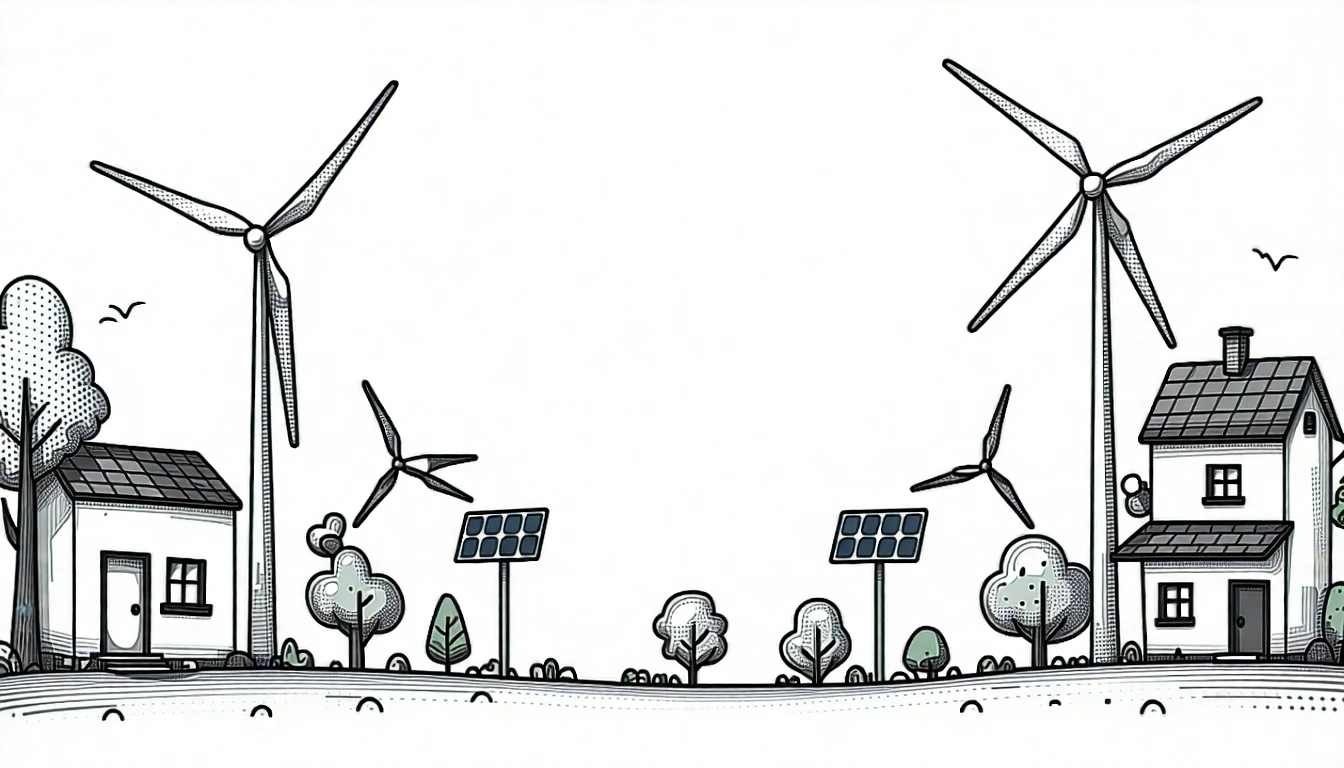
For consumers, this means potential cost savings and increased energy independence. By investing in solar panels or other renewable technologies, households can reduce their reliance on grid electricity, leading to lower utility bills. Additionally, [net metering policies](https://www.nrel.gov/state-local-tribal/net-metering.html) allow consumers to sell excess energy back to the grid, providing an extra financial incentive.
The Role of Blockchain in Energy Decentralization
Blockchain technology is playing a pivotal role in the decentralization of the energy sector. By providing a secure and transparent platform for energy transactions, blockchain facilitates peer-to-peer energy trading and enables the creation of decentralized energy markets. This technology ensures that transactions are verified and recorded without the need for intermediaries, reducing costs and increasing efficiency.
In addition to peer-to-peer trading, blockchain can enhance supply chain transparency in energy production and distribution. By tracking the origin of energy sources, blockchain can help ensure that renewable energy claims are verifiable and authentic. The World Economic Forum notes how blockchain is revolutionizing energy systems by enabling decentralized, secure, and accountable energy exchanges.
Challenges and Considerations
Despite the numerous benefits, decentralization also presents challenges that must be addressed. One of the main concerns is regulatory uncertainty, as existing regulations are often designed for centralized systems and may not accommodate the nuances of decentralized networks. Policymakers must adapt regulations to foster innovation while ensuring grid stability and security.

Furthermore, the initial cost of setting up decentralized systems can be a barrier for some consumers and businesses. While technological advancements are driving down costs, investments in renewable technologies and energy storage solutions can still be significant. Financial incentives and government support will be crucial in overcoming these hurdles to widespread adoption.
The Future of Energy Decentralization
The future of the energy sector is undoubtedly decentralized, as the demand for sustainable and efficient energy solutions continues to grow. With advancements in technology and increasing consumer awareness, decentralized energy systems are poised to become a mainstream component of the global energy landscape. This transformation will require collaboration between governments, businesses, and consumers to create an energy ecosystem that is resilient, flexible, and inclusive.
As we look to the future, the integration of emerging technologies such as the Internet of Things (IoT) and artificial intelligence (AI) will further enhance the capabilities of decentralized systems. These technologies can optimize energy consumption and distribution, leading to smarter and more efficient energy networks. The McKinsey & Company discusses how digital technologies are critical to achieving zero-carbon productivity in the energy sector.
Takeaways
Decentralization is revolutionizing the energy sector by transforming how energy is produced, distributed, and consumed. This shift towards localized, renewable energy systems is enhancing efficiency, sustainability, and consumer empowerment. While challenges remain, the continued evolution of technology and supportive policy frameworks are paving the way for a future where decentralized energy systems play a central role in meeting global energy needs.

As we embrace this transformation, it is essential to focus on creating an inclusive energy landscape that benefits all stakeholders. By fostering collaboration and innovation, we can build a resilient and sustainable energy future that aligns with the goals of environmental stewardship and economic development.
Community Empowerment Through Energy Cooperatives
Decentralization is not only transforming the technical aspects of energy production but is also changing the social dynamics of energy consumption. Energy cooperatives are emerging as a powerful model for community empowerment, allowing local communities to have a direct stake in their energy resources. These cooperatives enable collective ownership and management of energy assets, fostering a sense of community and shared responsibility.
Energy cooperatives operate by pooling resources from community members to invest in renewable energy projects such as wind farms or solar parks. Members benefit from reduced energy costs and a share in the profits generated by selling surplus energy back to the grid. This model not only democratizes energy production but also addresses energy poverty by making clean energy accessible to lower-income households.
One notable example is the success of the European Federation of Citizen Energy Cooperatives, which unites numerous community energy projects across Europe. These cooperatives have shown that decentralized energy systems can be both economically viable and socially inclusive, providing a blueprint for communities worldwide to follow.
Decentralization’s Role in Disaster Resilience
Decentralized energy systems offer significant advantages in terms of disaster resilience and recovery. Unlike centralized grids, which are vulnerable to large-scale disruptions, decentralized systems can localize and mitigate the impact of power outages caused by natural disasters or infrastructure failures. This resilience is critical in areas prone to extreme weather events, where maintaining power supply can be a matter of life and death.
Microgrids, for instance, can operate independently of the main grid, ensuring that essential services such as hospitals, emergency centers, and water treatment facilities remain operational during grid outages. The ability to island, or disconnect from the main grid, allows these systems to continue functioning even when external supply is compromised. The National Renewable Energy Laboratory has conducted extensive research on microgrid benefits for enhancing energy resilience in communities.
Furthermore, decentralized systems can facilitate faster recovery by providing localized energy solutions that do not rely on extensive grid repairs. This capability is particularly crucial in remote or rural areas where traditional grid infrastructure may be limited or nonexistent.
Innovations Driving Decentralized Energy Forward
The momentum of decentralization in the energy sector is fueled by continuous innovations that enhance the efficiency and feasibility of decentralized systems. Energy storage technologies, particularly in the form of advanced battery solutions, are pivotal in addressing the intermittent nature of renewable energy sources. Innovations in this area are making it possible to store excess energy generated during peak production times for use when production is low, thereby stabilizing energy supply.
Moreover, advancements in smart grid technologies are facilitating more seamless integration of decentralized energy sources into the existing grid infrastructure. Smart grids utilize digital communication technology to detect and react to local changes in energy usage, helping to balance supply and demand more effectively. This adaptability is crucial for managing the dynamic nature of decentralized energy networks.
Additionally, the integration of artificial intelligence (AI) into energy systems is revolutionizing predictive maintenance and energy efficiency. AI algorithms can analyze vast amounts of data to predict equipment failures, optimize energy dispatch, and reduce energy waste. These innovations are making decentralized systems more robust and economically viable, as noted by the U.S. Department of Energy’s Grid Modernization Initiative.
Policy and Regulatory Frameworks Supporting Decentralization
The successful implementation of decentralized energy systems relies heavily on supportive policy and regulatory frameworks. Governments worldwide are recognizing the importance of updating their energy policies to accommodate the unique characteristics of decentralized networks. This includes creating incentives for renewable energy adoption, establishing clear guidelines for grid integration, and facilitating investment in decentralized technologies.
For instance, feed-in tariffs and tax incentives have been instrumental in encouraging the adoption of renewable energy technologies at the individual and community levels. These policies offer financial returns to energy producers for the electricity they generate, making investments in decentralized systems more attractive. Additionally, streamlined permitting processes and standardized regulations help reduce the bureaucratic hurdles that can impede the deployment of decentralized energy projects.
Policymakers are also focusing on grid modernization to support the integration of decentralized systems. Investments in grid infrastructure upgrades, enhanced cybersecurity measures, and interoperability standards are essential to ensuring that decentralized energy systems can function efficiently and securely alongside existing grid structures.
A Paradigm Shift in Energy
The decentralization of the energy sector represents a profound paradigm shift that has the potential to transform how we interact with energy systems. By decentralizing energy production, distribution, and consumption, we are moving towards a more sustainable, resilient, and democratized energy future. This transformation is not only technological but also deeply social, empowering individuals and communities to take control of their energy destinies.
As we continue to innovate and adapt to the challenges and opportunities presented by decentralization, it is crucial to foster collaboration among stakeholders, including governments, businesses, and consumers. By doing so, we can build a more equitable and sustainable energy landscape that meets the needs of current and future generations. The revolution in the energy sector is well underway, and its success will depend on our collective ability to embrace change and harness the potential of decentralized systems.
