






























































































































































































Understanding Bitcoin ETF Flows: A Comprehensive Overview
In the ever-evolving world of cryptocurrencies, Bitcoin has remained a dominant force, capturing both public intrigue and financial speculation. Among the myriad ways to invest in Bitcoin, Exchange-Traded Funds (ETFs) have emerged as a significant channel, notably influencing market sentiments and investor behavior. This article delves into Bitcoin ETF flows from a global perspective, exploring their impact on market dynamics and investor sentiment.
The Basics of Bitcoin ETFs
Bitcoin ETFs are financial instruments that track the price of Bitcoin, allowing investors to gain exposure to the cryptocurrency without directly owning it. These ETFs are traded on traditional stock exchanges, providing a regulated and familiar platform for investors. The primary allure of Bitcoin ETFs lies in their ability to offer investors diversification, liquidity, and ease of access while mitigating some of the risks associated with direct cryptocurrency investments.
Investors are drawn to Bitcoin ETFs for several reasons. Primarily, these funds offer an opportunity to participate in the volatile yet potentially lucrative Bitcoin market through a more structured and secure medium. Furthermore, Bitcoin ETFs are subject to regulatory oversight, which can provide an added layer of security and trust for cautious investors.
The Evolution of Bitcoin ETFs
The journey of Bitcoin ETFs has been marked by regulatory challenges and evolving market perceptions. In the early days, skepticism and regulatory hurdles were significant barriers. However, as the cryptocurrency ecosystem has matured, so too has the regulatory landscape. Today, several Bitcoin ETFs have been approved in various countries, each with its own set of regulations and market dynamics.
Countries like Canada and Brazil have been pioneers in this space, launching the first Bitcoin ETFs and setting a precedent for others to follow. In the United States, the approval of Bitcoin futures ETFs marked a pivotal moment, signaling a growing acceptance of such financial products by regulatory bodies.
Global Bitcoin ETF Flows and Their Impacts
Bitcoin ETF flows can be seen as a barometer of market sentiment, providing insights into how investors perceive the cryptocurrency market at any given time. These flows are influenced by a myriad of factors, including macroeconomic conditions, regulatory developments, and technological advancements.
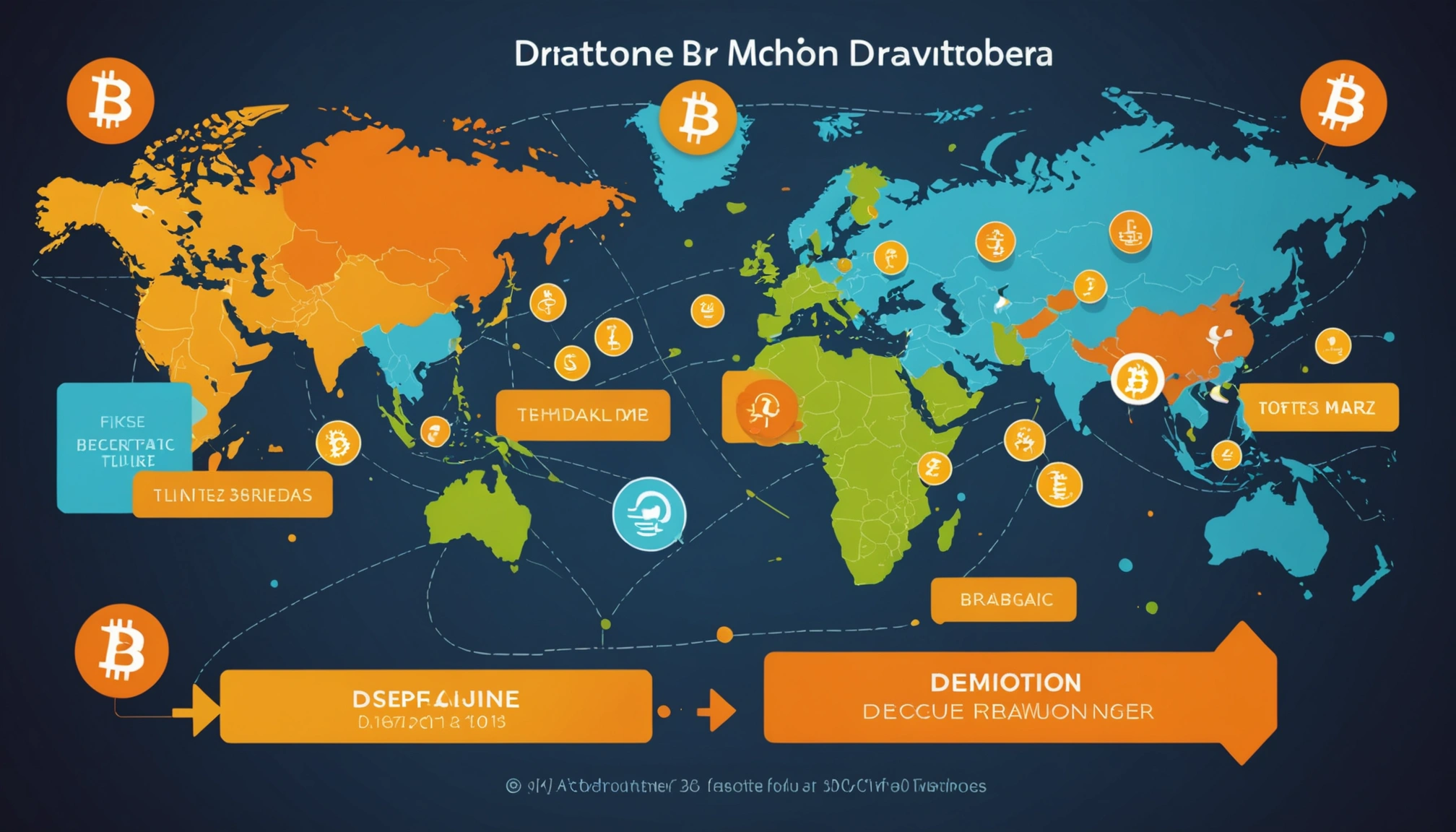
When analyzing Bitcoin ETF flows, it is essential to consider how different regions respond to these factors. For instance, North American investors might exhibit different behaviors compared to their European or Asian counterparts, influenced by regional regulatory environments and economic conditions. These divergences can lead to varied impacts on global markets.
Regional Variations in Bitcoin ETF Flows
In North America, Bitcoin ETF flows often reflect broader market trends, with investors responding swiftly to macroeconomic signals such as inflation indicators or interest rate changes. The region’s regulatory landscape, while still evolving, has become increasingly supportive, encouraging more significant investments in Bitcoin ETFs.
In contrast, European markets have shown a more cautious approach, with regulatory frameworks still under development. However, the demand for Bitcoin ETFs remains robust, driven by investors seeking diversification and a hedge against potential currency devaluation.
Asian markets present a unique dynamic, characterized by rapid technological adoption and a strong appetite for cryptocurrencies. Here, Bitcoin ETF flows are often influenced by local regulatory changes and technological innovations, which can either spur or dampen investor enthusiasm.
Factors Influencing Bitcoin ETF Flows
Several key factors influence Bitcoin ETF flows, ranging from regulatory developments to technological advancements and market sentiment. Understanding these factors is crucial for investors looking to navigate the complex landscape of Bitcoin ETFs.

Regulatory developments play a pivotal role in shaping Bitcoin ETF flows. Positive regulatory news, such as the approval of new ETFs or clarifications in legal frameworks, can boost investor confidence and lead to increased inflows. Conversely, regulatory uncertainties or crackdowns can result in outflows as investors seek safer havens.
Technological Advancements and Market Sentiment
Technological advancements, particularly those related to blockchain and cryptocurrency security, can also impact Bitcoin ETF flows. Innovations that enhance the security and efficiency of cryptocurrency transactions can attract more investors to Bitcoin ETFs, leading to increased inflows.
Market sentiment, influenced by factors such as media coverage and social media trends, can significantly affect Bitcoin ETF flows. Positive news coverage or endorsements by influential figures can drive investor interest and result in significant inflows. On the other hand, negative news or market downturns can lead to outflows as investors seek to mitigate risks.
The Future of Bitcoin ETF Flows
The future of Bitcoin ETF flows will likely be shaped by ongoing regulatory developments, technological advancements, and evolving market dynamics. As more countries develop comprehensive regulatory frameworks for cryptocurrencies, the global landscape for Bitcoin ETFs is expected to become more robust and investor-friendly.
Technological innovations, particularly those aimed at enhancing security and efficiency, will continue to play a critical role in attracting investors to Bitcoin ETFs. Additionally, as the cryptocurrency market matures, investor sentiment is expected to stabilize, leading to more predictable ETF flows.
Embracing Global Perspectives
Understanding Bitcoin ETF flows from a global perspective is essential for investors seeking to make informed decisions. By analyzing regional variations and the factors influencing these flows, investors can gain valuable insights into market trends and potential opportunities.

Ultimately, the future of Bitcoin ETF flows will be shaped by a complex interplay of regulatory, technological, and market factors. Investors and market participants must remain vigilant and adaptable, embracing global perspectives to navigate the dynamic world of Bitcoin ETFs successfully.
Navigating the Bitcoin ETF Landscape
Bitcoin ETFs have emerged as a crucial investment vehicle, offering a regulated and accessible way for investors to participate in the cryptocurrency market. Understanding the global dynamics of Bitcoin ETF flows is essential for making informed investment decisions and anticipating market trends.
As the cryptocurrency ecosystem continues to evolve, Bitcoin ETFs will likely play an increasingly important role in shaping market sentiments and investor behavior. By staying informed and adaptable, investors can successfully navigate the complexities of the Bitcoin ETF landscape, leveraging global perspectives to achieve their financial goals.
Exploring the Role of Institutional Investors in Bitcoin ETF Flows
Institutional investors have become a significant force in the cryptocurrency market, particularly in the realm of Bitcoin ETFs. Their participation not only brings substantial capital but also adds a layer of credibility and legitimacy to the market. Understanding the role of these investors is crucial to comprehending the broader dynamics of Bitcoin ETF flows.
Institutions such as hedge funds, pension funds, and asset management companies have increasingly shown interest in Bitcoin ETFs as part of their diversified investment strategies. Their involvement is often driven by the potential for high returns, portfolio diversification, and hedging against inflation. As these entities allocate more resources to Bitcoin ETFs, they can significantly influence market trends and investor sentiment.
The Impact of Institutional Endorsement
The endorsement of Bitcoin ETFs by institutional investors often serves as a vote of confidence in the underlying cryptocurrency market. This can spur increased participation from retail investors and other market participants, leading to heightened liquidity and potentially driving up the value of the ETFs. Institutional interest can also prompt regulatory bodies to expedite the approval of new ETFs, further expanding the market.

Moreover, institutional investors often engage in long-term strategies, which can contribute to market stability. Their presence may reduce the volatility often associated with cryptocurrency markets, as they are less likely to engage in speculative trading practices compared to retail investors.
Challenges Facing Bitcoin ETF Growth
Despite the promising outlook for Bitcoin ETFs, several challenges remain that could impact their growth and adoption. These challenges include regulatory hurdles, security concerns, and market volatility. Addressing these issues is crucial for the sustained growth of Bitcoin ETFs and their acceptance among mainstream investors.
Regulatory uncertainty continues to be a significant challenge, as different countries have varying stances on cryptocurrency-related financial products. Inconsistent regulatory frameworks can create confusion and deter potential investors. Proactive collaboration between regulatory bodies and market participants is essential to establish clear and supportive guidelines.
Security and Volatility Concerns
Security remains a paramount concern for investors considering Bitcoin ETFs. The cryptocurrency market has been plagued by high-profile security breaches and fraud cases, which can deter institutional and retail investors alike. Ensuring robust security measures and transparent practices within Bitcoin ETFs is vital to building trust and confidence.
Market volatility is another challenge that can impact Bitcoin ETF flows. While volatility can present opportunities for profit, it also poses significant risks. Educating investors about the nature of cryptocurrency markets and implementing risk management strategies within ETFs can help mitigate these concerns.
Innovative Solutions and the Path Forward
To overcome the challenges facing Bitcoin ETF growth, innovative solutions and collaborative efforts are essential. Technological advancements, regulatory clarity, and investor education will play pivotal roles in shaping the future landscape of Bitcoin ETFs.

Blockchain technology itself offers opportunities to enhance the security and transparency of Bitcoin ETFs. By leveraging smart contracts and decentralized ledgers, ETFs can provide greater assurance of asset integrity and reduce the risk of fraud. Furthermore, advancements in cybersecurity can bolster investor confidence and attract a wider audience to Bitcoin ETF markets.
Regulatory Collaboration and Investor Education
Collaboration between regulatory bodies and the cryptocurrency industry is crucial to creating a supportive environment for Bitcoin ETFs. Establishing clear guidelines and fostering open communication can facilitate the approval of new ETFs and enhance investor protection. International cooperation is also vital, as harmonized regulations can encourage cross-border investments and market growth.
Investor education is another critical component of the path forward. Providing comprehensive resources and insights into the risks and benefits of Bitcoin ETFs can empower investors to make informed decisions. Educational initiatives should aim to demystify the cryptocurrency market and promote responsible investment practices.
Embracing Opportunities in Bitcoin ETF Markets
The landscape of Bitcoin ETF flows is a dynamic and evolving arena, presenting both opportunities and challenges for investors and market participants. By understanding the global dynamics, institutional influences, and regulatory challenges, stakeholders can better navigate this complex market.
As the cryptocurrency ecosystem matures, Bitcoin ETFs are poised to play an increasingly significant role in investment portfolios worldwide. By embracing innovative solutions, fostering regulatory collaboration, and prioritizing investor education, the potential for growth and stability within Bitcoin ETF markets is substantial.
Ultimately, the future of Bitcoin ETFs will be shaped by the collective efforts of market participants, regulators, and investors. By staying informed and adaptable, stakeholders can harness the opportunities presented by Bitcoin ETF flows and contribute to the ongoing evolution of the financial landscape.