
























































































































































Understanding NFTs and Their Role in the Art World
Non-fungible tokens, or NFTs, have emerged as a groundbreaking technology in the digital age, fundamentally changing the art world and redefining how artists create, distribute, and monetize their work. Unlike traditional art forms, NFTs provide a digital certificate of ownership for a specific piece of art, ensuring its authenticity and uniqueness. This revolutionary concept has gained immense popularity, attracting artists, collectors, and investors alike.
The core technology behind NFTs is the blockchain, a decentralized digital ledger that records transactions across many computers. This ensures that an NFT cannot be forged or duplicated, providing a reliable source of provenance for digital art. As the art world increasingly embraces digitalization, NFTs offer artists new opportunities to reach global audiences, bypass traditional gatekeepers, and retain more control over their creations.
The Empowerment of Artists Through NFTs
One of the most significant impacts of NFTs is the empowerment of artists. In the past, artists often relied on galleries and auction houses to showcase their work, which came with high commission fees and limited exposure. With NFTs, artists can directly list their work on various online marketplaces such as OpenSea, Rarible, and others, reaching a global audience without the need for intermediaries.
Moreover, NFTs enable artists to receive royalties on secondary sales. Traditionally, artists did not benefit financially when their work was resold at a higher price. However, NFTs can be programmed with smart contracts that ensure artists receive a percentage of each subsequent sale. This not only provides artists with a continuous income stream but also incentivizes them to create more innovative and high-quality work.
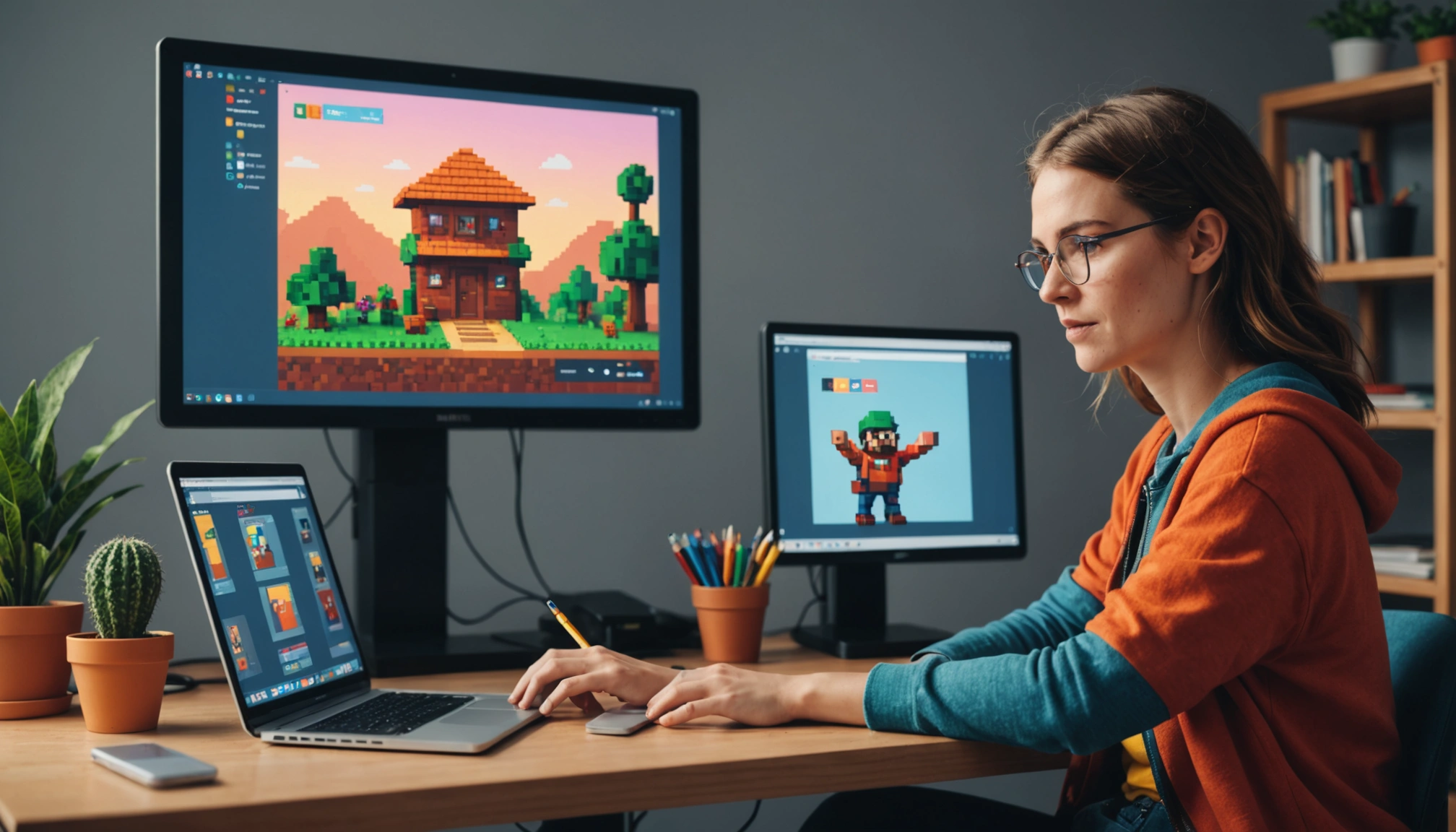
Furthermore, NFTs allow artists to experiment with new forms of art that were previously impossible. Digital art, interactive installations, and multimedia projects can now be monetized and authenticated through NFTs. This opens up a world of creative possibilities, encouraging artists to push the boundaries of their craft.
Challenges and Criticisms of NFTs in the Art World
While NFTs have brought numerous benefits to artists, they are not without challenges and criticisms. One major concern is the environmental impact of blockchain technology. The process of minting NFTs requires significant energy consumption, raising questions about sustainability and the carbon footprint of digital art. Some artists and collectors are seeking more eco-friendly blockchain solutions to mitigate this issue.
Another criticism is the volatility of the NFT market. The value of NFTs can fluctuate dramatically, leading to concerns about speculation and the potential for market bubbles. This volatility can be both an opportunity and a risk for artists, who must navigate an unpredictable economic landscape.
Additionally, the legal and copyright implications of NFTs are still being explored. Questions about intellectual property rights, ownership disputes, and the potential for digital art theft remain unresolved. Artists need to be aware of these complexities and work with legal experts to protect their rights and creations.
Case Studies: Artists Thriving with NFTs
Numerous artists have successfully leveraged NFTs to transform their careers. One notable example is Beeple, a digital artist who made headlines with his record-breaking NFT sale of “Everydays: The First 5000 Days,” which sold for $69 million at Christie’s auction house. This sale demonstrated the immense potential of NFTs to elevate digital art to the level of traditional fine art.
Another artist, Grimes, has embraced NFTs to release exclusive digital art collections, generating millions of dollars in sales. By offering limited edition NFTs, she has created a sense of scarcity and exclusivity, driving demand among collectors and fans. These examples highlight how artists can use NFTs to gain financial success and recognition in the art world.
Moreover, emerging artists have found a platform to showcase their work and connect with audiences without needing to establish a reputation in traditional art circles. This democratization of the art world allows for a more diverse range of voices and perspectives, enriching the cultural landscape.
The Future of NFTs in the Art World
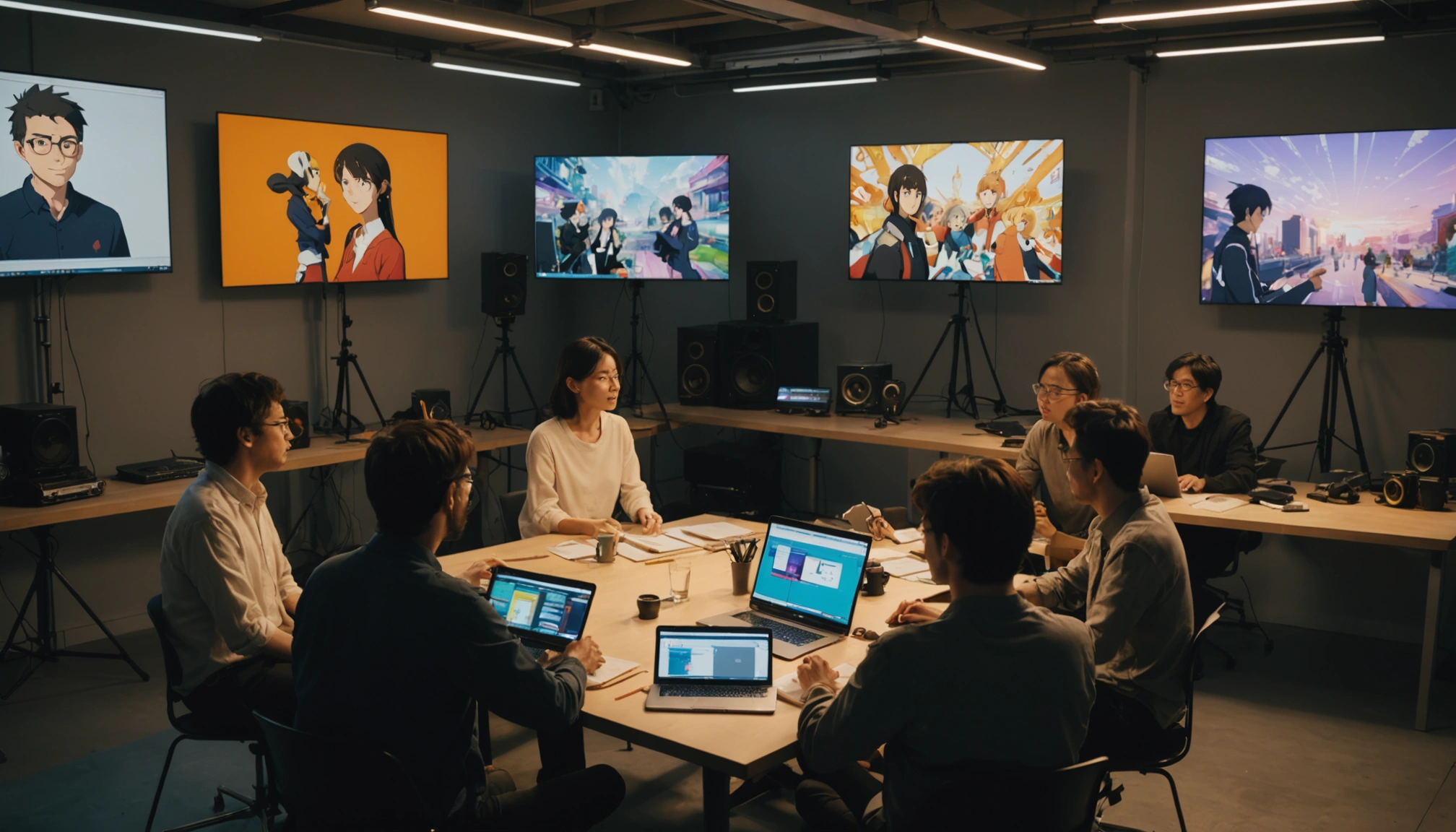
As NFTs continue to gain traction, the art world is poised for further transformation. One potential development is the integration of augmented reality (AR) and virtual reality (VR) with NFTs. This could enable artists to create immersive experiences and interactive art that engages audiences in new and exciting ways. Imagine walking through a virtual gallery where each piece of art is an NFT, offering a dynamic and personalized experience for each viewer.

Additionally, the continued evolution of blockchain technology may address current challenges such as environmental impact and legal issues. As more sustainable blockchain solutions are developed, the adoption of NFTs in the art world is likely to grow.
Furthermore, the rise of decentralized autonomous organizations (DAOs) could lead to new models of art ownership and collaboration. Artists, collectors, and enthusiasts could form DAOs to collectively fund and govern art projects, creating a more inclusive and participatory art ecosystem.
The Lasting Impact of NFTs on the Art World
NFTs have undeniably revolutionized the art world, offering artists unprecedented opportunities for creativity, monetization, and autonomy. By breaking down traditional barriers and introducing new possibilities, NFTs are reshaping the landscape of art and empowering artists like never before.
While challenges remain, the potential for NFTs to drive innovation and inclusivity in the art world is immense. As artists, collectors, and technologists continue to explore this exciting frontier, the art world is likely to see even more transformative changes in the years to come. The rise of NFTs is not just a trend; it represents a fundamental shift in how art is created, valued, and experienced.
As the adoption of NFTs in the art world expands, it’s essential to consider not only the opportunities they present but also the ways in which they can be utilized to foster a more equitable and sustainable art ecosystem. By understanding the full spectrum of possibilities, artists and industry stakeholders can harness the power of NFTs to drive meaningful change and create lasting impact.
Bridging the Gap Between Traditional and Digital Art Markets
One of the most exciting aspects of NFTs is their potential to bridge the gap between traditional and digital art markets. Historically, these two spheres have operated largely independently, with different audiences, valuation methods, and distribution channels. However, NFTs offer a unique opportunity to unify these worlds by providing a common platform for art ownership and exchange.
Traditional art collectors, galleries, and auction houses are beginning to recognize the value of NFTs as a legitimate and lucrative extension of the art market. By embracing NFTs, these entities can reach new audiences and tap into the growing demand for digital art. This convergence has the potential to elevate the status of digital art and provide artists with greater exposure and recognition.
Moreover, NFTs can facilitate collaborations between traditional and digital artists, leading to innovative hybrid works that combine physical and digital elements. These collaborations can result in groundbreaking art forms that challenge conventional notions of art and ownership, enriching the cultural dialogue and expanding the possibilities of artistic expression.
The Role of NFTs in Cultural Preservation and Representation
NFTs hold significant promise for cultural preservation and representation, offering a means to document and share diverse cultural narratives and artistic traditions. In many cases, digital art can be more accessible and widely distributed than physical art, allowing artists from underrepresented communities to share their stories and perspectives on a global scale.
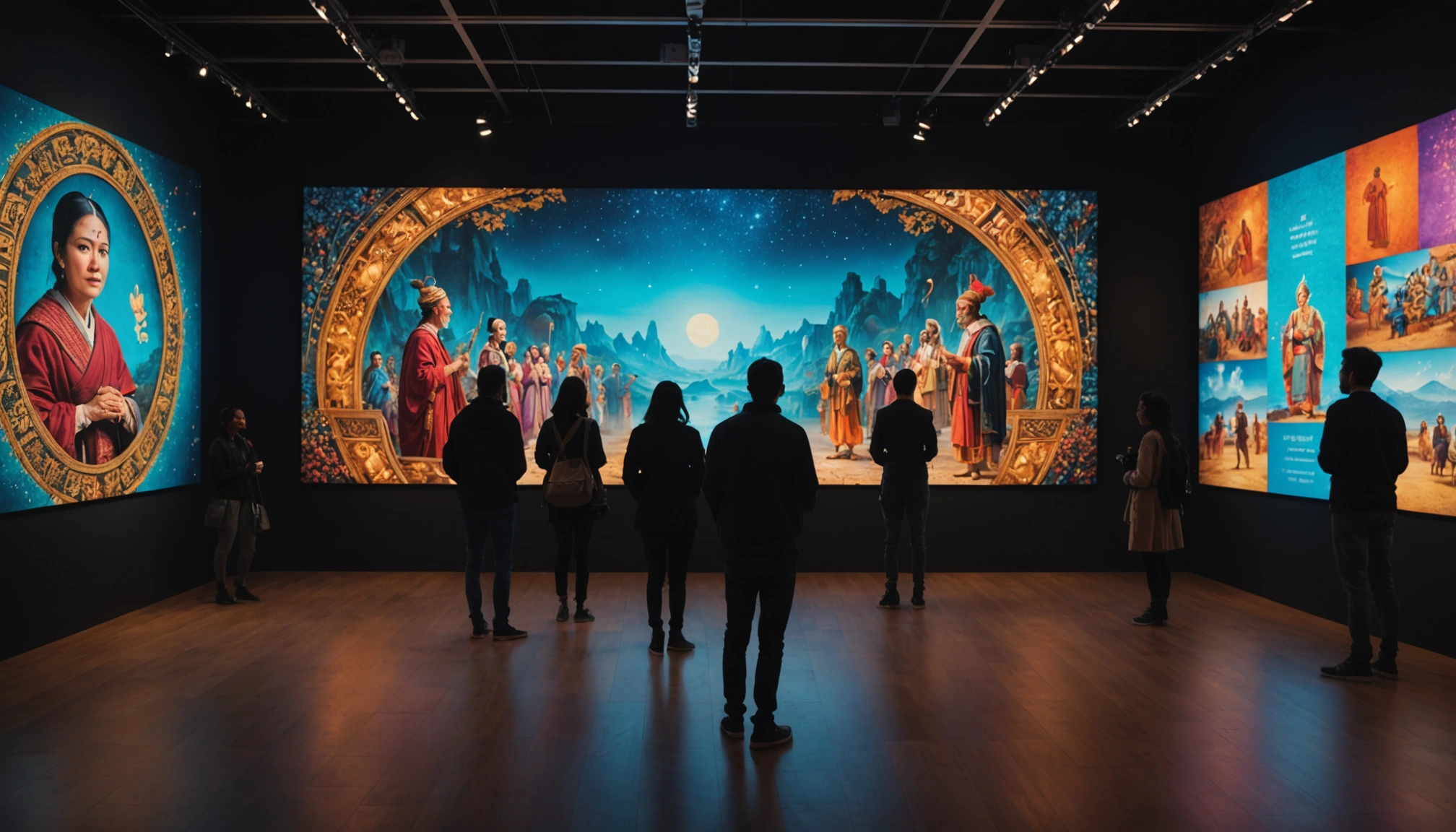
By creating NFTs of culturally significant artworks, artists and cultural institutions can ensure the preservation of these works in a secure and transparent manner. Blockchain technology provides a permanent and immutable record of ownership and provenance, safeguarding these cultural assets for future generations.
Furthermore, NFTs can empower artists to challenge dominant narratives and reclaim cultural heritage. By leveraging the global reach of NFTs, artists can amplify their voices and contribute to a more inclusive and representative art world. This not only enriches the cultural landscape but also fosters greater understanding and appreciation of diverse artistic expressions.
Exploring New Revenue Models and Artist Collectives
The rise of NFTs has also given birth to new revenue models and artist collectives, fostering collaboration and community-driven art projects. These new models of art creation and distribution are reshaping how artists work together and engage with their audience.
Artist collectives can utilize NFTs to pool resources and share profits from sales, allowing members to benefit collectively from their creative efforts. This cooperative approach can provide artists with greater financial stability and the ability to take on more ambitious projects that might be beyond the reach of individual artists.
Additionally, NFTs enable artists to experiment with subscription-based models, where collectors can receive exclusive access to new works, behind-the-scenes content, or limited edition releases. These models provide artists with a reliable source of income and foster a closer connection with their audience, creating a sense of community and shared experience.
Education and Awareness: Navigating the NFT Landscape
As NFTs continue to reshape the art world, education and awareness are crucial for artists, collectors, and industry stakeholders. Understanding the intricacies of NFTs, blockchain technology, and digital art markets is essential for making informed decisions and maximizing the potential of this new medium.
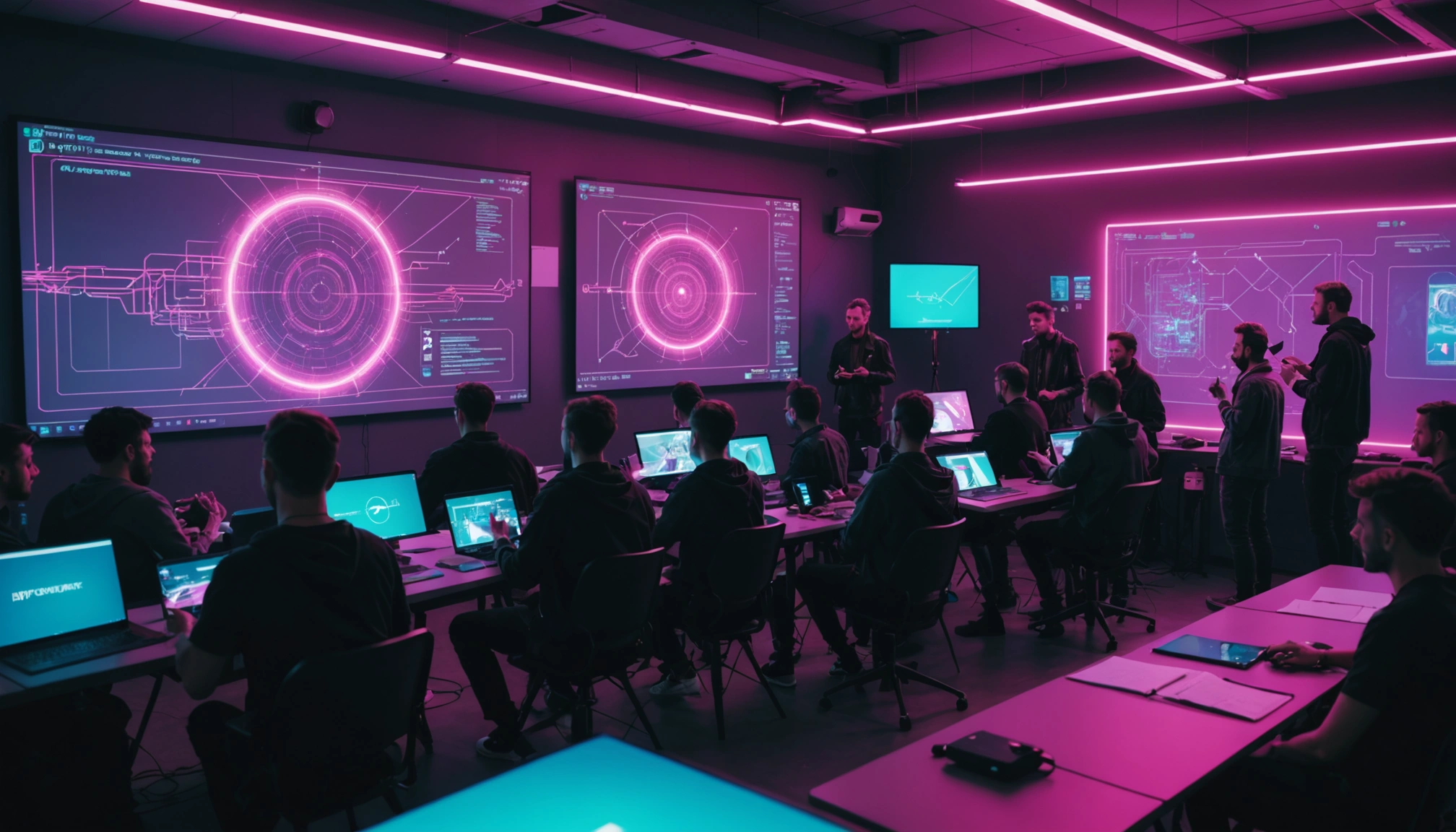
Educational initiatives, workshops, and online resources can help artists and collectors navigate the NFT landscape and stay informed about emerging trends and best practices. By building a robust knowledge base, artists can confidently explore the opportunities and challenges presented by NFTs and make strategic choices that align with their goals and values.
Furthermore, fostering a culture of transparency and ethical practices within the NFT space is vital for its long-term sustainability and success. Artists and collectors can work together to establish standards and guidelines that promote fair compensation, environmental responsibility, and cultural sensitivity, ensuring that the NFT ecosystem thrives in a way that benefits all participants.
Embracing the NFT Revolution
In conclusion, NFTs represent a transformative force in the art world, offering artists unprecedented opportunities for creativity, collaboration, and financial empowerment. By embracing NFTs, the art community can break down barriers, foster inclusivity, and drive innovation in ways that were previously unimaginable.
As the NFT revolution continues to unfold, it is essential for artists, collectors, and industry stakeholders to engage with this technology thoughtfully and responsibly. By doing so, they can ensure that the benefits of NFTs are realized in a sustainable and equitable manner, paving the way for a vibrant and dynamic future for the art world.
The journey of NFTs is just beginning, and the possibilities are as limitless as the creativity of the artists who embrace them. As we move forward, the art world stands on the cusp of a new era, where digital and physical art coexist harmoniously, and artists are empowered to shape their own destinies. The NFT revolution is here, and its impact will be felt for generations to come.